


Tooth Extractions & Oral Surgery

Introduction
There are several possible reasons why a tooth may need to be removed (extracted). For instance a tooth may be deemed unrestoreable due to extensive decay, infection or missing tooth structure. Even a tooth with no decay could be lost due to severe bone loss from Periodontal Disease. Sometimes perfectly good teeth are removed to “make room” during Orthodontic Therapy. And commonly Wisdom Teeth are recommended for removal.
Most dental extractions are relatively simple procedures which can be performed in the office with only local anesthetic. Some patients may choose to be sedated during the procedure which may require referral to an Oral Surgeon however this is often times not necessary.

The Procedure
The tooth extraction process begins with local anesthetic being administered to numb the tooth, surrounding bone and soft tissues. Throughout the procedure you should expect to feel lots of pressure but no pain. The tooth is gently loosened and then delivered with a series of special instruments. The tooth is in fact not pulled but instead it could be described as being pushed from the socket with special techniques specific to each tooth being removed.
Some teeth require a more complicated approach to their removal. This may include being removed in sections. This approach may be found to be necessary before or possibly even during the procedure. This means no difference in your experience other than hearing the added noise of a drill as if a filling were being performed. Sometimes stitches may be necessary to speed healing. If this is the case in your procedure most often a “dissolving” suture is placed; or you may be instructed to return in one week for a quick and painless suture removal.
Wisdom Teeth

Introduction
Wisdom teeth are often recommended for removal and the reasons why are many. For most patients the wisdom teeth are non-functional meaning that they are not used for chewing because of there location so far back in the mouth. In fact most patients do not have adequate room for the wisdom teeth to erupt fully.
When this happens the tooth is referred to as being impacted. This can create several problems. The impacted tooth creates an access for bacteria to get under the gums which can cause painful swelling and infection. Also the inability to clean these teeth often results in dental decay (cavities) and/ or bone loss which can directly affect the teeth next doo

The Procedure
The extraction process for wisdom teeth is generally fairly routine and proceeds in much the same way as any other extraction. First the area is numbed and you should expect to feel lots of pressure but no pain. If the tooth is covered with gum tissue it will be exposed to gain access and at this point some drilling may be heard.
There are several techniques used to remove wisdom teeth depending on the specific kind of impaction but no matter which technique is used the procedure is painless. Often times stitches will be placed and in most cases they will dissolve on their own. Note: There are circumstances when these procedures should be performed by an Oral Surgeon and we evaluate each patient individually for this need.
FAMILY DENTISTRY
Introduction
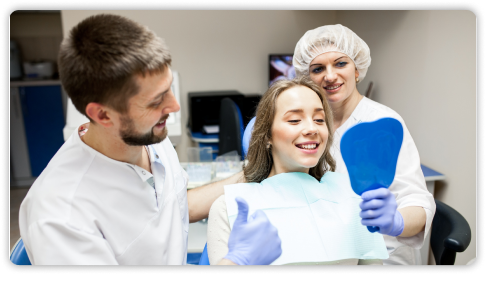
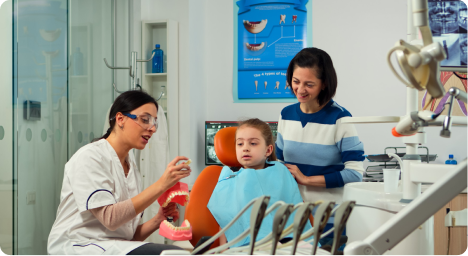
Family dentistry focuses on providing comprehensive oral healthcare for patients of all ages, from young children to seniors. Regular dental visits help maintain healthy teeth and gums while preventing common dental problems before they become serious concerns.
Our family dental services are designed to create a comfortable and welcoming environment for every member of your family. Whether you need routine cleanings, preventive care, or treatment for dental issues, our experienced team is committed to helping you achieve lifelong oral health.
The Procedure
A family dentistry appointment typically begins with a thorough examination of your teeth, gums, and overall oral health. Digital X-rays may be taken when necessary to identify any underlying issues that are not visible during a standard examination.
After the evaluation, our dental team will perform professional cleaning and discuss any recommended treatments or preventive measures. We work closely with each patient to create personalized care plans that support long-term dental wellness and healthy smiles.
COSMETIC DENTISTRY

Introduction
Cosmetic dentistry is designed to enhance the appearance of your smile and boost your confidence. From correcting discoloration to improving the shape and alignment of teeth, cosmetic treatments can create a more attractive and natural-looking smile.
Our cosmetic dental services combine advanced techniques with personalized treatment plans to help patients achieve their aesthetic goals. We focus on creating beautiful, healthy smiles that complement each individual’s facial features.
The Procedure
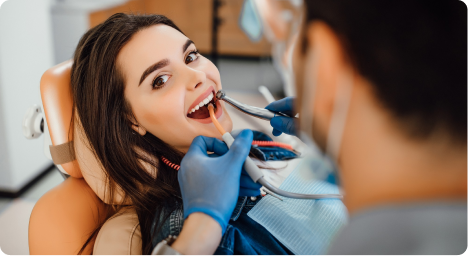
The cosmetic dentistry process begins with a detailed consultation where we discuss your concerns, goals, and expectations. We evaluate your oral health and recommend the most suitable treatments to achieve your desired results.
Depending on your treatment plan, procedures may include teeth whitening, veneers, bonding, or other cosmetic enhancements. Each treatment is carefully performed to improve both appearance and function while maintaining a natural look.
TEETH WHITENING
Introduction
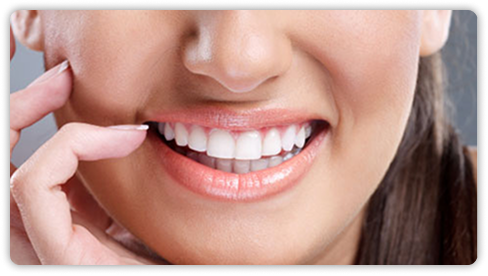
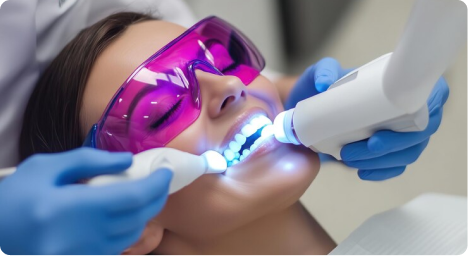
Teeth whitening is one of the most popular cosmetic dental treatments available today. It helps remove stains and discoloration caused by food, beverages, smoking, and natural aging, resulting in a brighter and more youthful smile.
Professional teeth whitening treatments provide faster, safer, and more effective results compared to over-the-counter products. Our team works to ensure your smile achieves noticeable improvements while protecting your dental health.
The Procedure
The whitening process begins with an examination to determine whether you are a good candidate for treatment. We assess your teeth and discuss the level of whitening you wish to achieve.
A professional whitening solution is then applied to the teeth and activated using specialized techniques to break down stains. The treatment is carefully monitored to maximize results while minimizing tooth sensitivity and discomfort.
RESTORATIVE DENTISTRY
Introduction
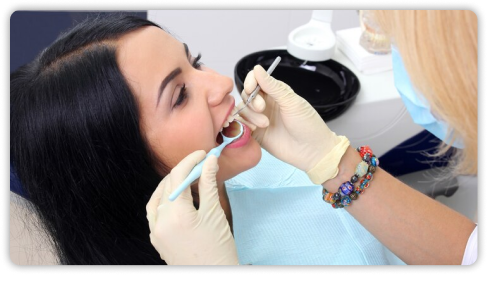
Restorative dentistry focuses on repairing and replacing damaged or missing teeth to restore both function and appearance. These treatments help patients regain confidence in their smiles while improving overall oral health.
Whether you have cavities, broken teeth, worn restorations, or missing teeth, our restorative dental services provide effective solutions tailored to your specific needs. We are committed to helping patients enjoy healthy and fully functional smiles.
The Procedure
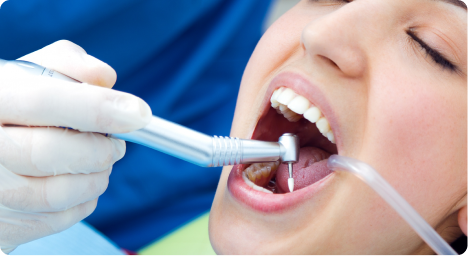
The restorative process starts with a comprehensive examination to evaluate the condition of your teeth and determine the most appropriate treatment options. Diagnostic imaging may be used to develop an accurate treatment plan.
Depending on your needs, treatment may include fillings, crowns, bridges, dental implants, or other restorative procedures. Our team ensures every restoration is designed for durability, comfort, and a natural appearance that blends seamlessly with your smile.
Post-op Instructions - Tooth Extraction
DO NOT DISTURB THE AREA: For the next few days, and especially the first 24 hours, it is very important to allow your body to form a good clot and start the natural healing process. Swishing and sucking through straws can dislodge the clot. Avoid crunchy foods. Be sure to chew on the opposite side for 24 hours.
BLEEDING: When you leave the office, you will be biting on a gauze pack to control bleeding. Keep gentle but firm pressure on this gauze for 30 minutes. Don’t change it during this time; it needs to remain undisturbed while a clot forms in the extraction socket. After 30 minutes you may remove it. You may replace the pack if needed just make sure to moisten it with water first. Small amounts of blood in the saliva can make your saliva appear quite red. This is normal and may be noticed the rest of the day after the procedure.
SMOKING: Smoking should be stopped following surgery. Healing and success of the surgery will be substantially reduced by the cigarette smoke chemicals in your body (smoking inhibits healing). Smokers are at greater risk of developing a painful Dry Socket.
PAIN: Some discomfort is normal after surgery. To minimize pain take your medications as prescribed and begin your dosing before the anesthesia wears off. Don’t exceed the dose on the label. Taking with food or milk will help reduce upset stomach. Avoid driving or operating heavy machinery when taking pain prescriptions. Do not drink alcohol while taking prescription pain medications.
NAUSEA: This is most often caused by taking pain medications on an empty stomach. Reduce nausea by preceding each pain pill with soft food, and taking the pill with a large glass of water.
SWELLING: Some swelling is normal after a dental extraction. Applying an ice bag to the face over the operated area will minimize swelling. Apply for 15 minutes then remove for 15 minutes. Continue this for the first day as needed.
NUMBNESS: The local anesthetic will cause you to be numb for several hours after you leave the office. Be very careful not to bite, chew, pinch, or scratch the numb area.
BRUSHING: Do not brush the teeth next to the extraction site for 24 hours, and then you should resume your normal brushing habits.
RINSING: Avoid all rinsing or swishing for 24 hours after extraction. Rinsing can disturb the formation of a healing blood clot which is essential to proper healing. This could cause bleeding and risk of dry socket. After 24 hours you may begin gentle rinsing with a saltwater solution (1/2 teaspoon salt + 8 ounces warm water). Avoid commercial mouth rinses.
DIET: Eat soft foods and chew on the opposite side for 24- 48 hours. Maintain a good, balanced diet. Drink plenty of water. Avoid alcohol for 48 hours.
ACTIVITY: After leaving the office, rest and avoid strenuous activities for the remainder of the day. Keeping blood pressure lower will reduce bleeding and aid healing.
ANTIBIOTICS: If you were given an antibiotic prescription, take all of them as directed until they are gone. Women: some antibiotics can reduce the effectiveness of birth control pills. Use alternate birth control methods for two months.
SINUS: If your sinus was involved in the procedure special prescriptions and instructions will be provided. Avoid straws, sneezing or blowing your nose for 4-6 days.
FOLLOW-UP APPOINTMENTS: You may need to return to the office to have sutures removed, or just for a brief follow-up healing check.
- Uncontrollable pain
- Excessive bleeding
- Marked fever
- Excessive warm swelling occurring a few days after the procedure
- Reactions to medications, especially rash, itching, or breathing problems
Following these instructions very closely will greatly help your comfort, and promote uneventful healing of the area. If any of the instructions are not followed, you might have significantly more discomfort, and the success of the procedure may be affected.
SAME DAY EMERGENCY CARE
Dental emergencies can happen unexpectedly and often require immediate attention. Whether you are experiencing severe tooth pain, a broken tooth, swelling, or a dental injury, our same day emergency care services are designed to provide prompt relief and treatment.
Our goal is to address urgent dental concerns quickly and efficiently while minimizing discomfort. We understand the stress that dental emergencies can cause and strive to provide compassionate care when you need it most.
During an emergency visit, our team will first assess your condition and identify the source of the problem. Diagnostic tools such as X-rays may be used to determine the extent of damage or infection affecting your oral health.
Once the issue has been diagnosed, we will recommend and perform the appropriate treatment to relieve pain and prevent further complications. Depending on the situation, treatment may include repairs, extractions, infection management, or temporary restorations.